

The Silent Dependence: Rethinking Survival, Responsibility, and Financial Awareness in India

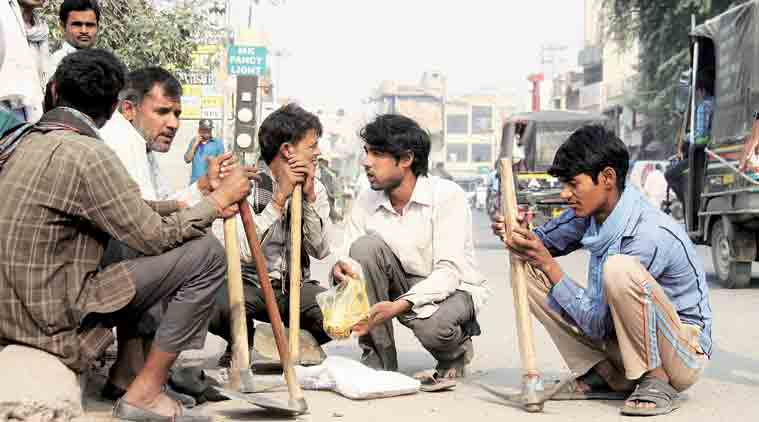
India is often described as a land of resilience, diversity, and aspiration. Yet beneath this narrative lies a quieter, more complex reality. A significant portion of the population continues to depend heavily on the government or their employers for basic survival. This dependence is not always visible in everyday conversations, but it becomes strikingly clear during times of crisis.
The Covid pandemic exposed this reality in a way few events ever have. As cities came to a standstill, millions of migrant workers began their journeys back to their hometowns. These were not just movements of people, but movements of fear, uncertainty, and survival instinct. The most common questions that echoed across highways and railway tracks were simple yet deeply troubling. How will we survive? How will we feed our children? Who will take care of us now?
While the struggles of the labour class were visible and widely discussed, there were many other sections of society whose hardships remained under the surface. Yet the crisis brought one uncomfortable truth into focus. A large segment of the population had little to fall back on when their primary source of income disappeared.
At a broader level, many individuals believe that it is the responsibility of the government to ensure their wellbeing. This belief is not entirely misplaced. Governments do have a role in providing safety nets and support systems. However, the harsh reality is that this expectation often replaces personal planning and accountability. The idea of preparing for uncertainty does not receive the attention it deserves.

In contrast, middle class families in India have gradually developed a culture of planning. Decisions around starting a family are often tied to financial stability. There is increasing awareness about education, career choices, and skill development. Investments are made with future security in mind. Emergency funds, insurance, and long term savings are slowly becoming part of financial behaviour. However, this pattern is not equally visible across all sections of society.

In many lower income groups, financial planning is often absent or delayed. Education is frequently sacrificed for immediate income. Young individuals enter physically demanding jobs early in life to support their families. The focus remains on short term earnings rather than long term stability.
There is also a deeply rooted belief that having more children can increase the earning capacity of a family over time. More hands are seen as more contributors. While this may offer temporary relief, it often leads to a cycle where resources are stretched thin. Education, healthcare, and overall quality of life take a backseat.
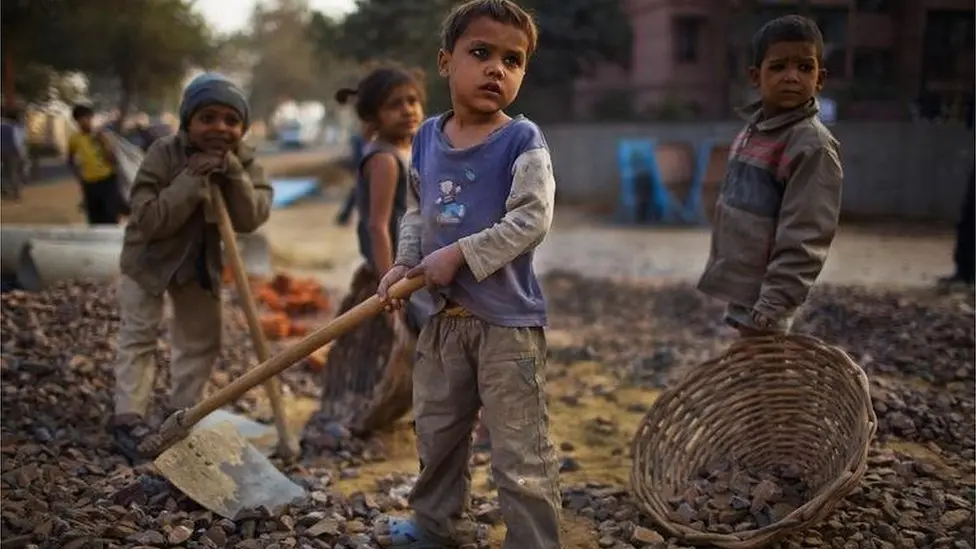
In many labour-class families, children are often pushed into work at an early age, limiting their ability to pursue education and better career opportunities. This early entry into the workforce restricts their exposure, skill development, and freedom to choose a different path in the future. As a result, they grow into adults with limited mobility in the job market, bound to the same cycle of low-paying and unstable employment. This lack of choice deepens their dependence on employers and government support systems. Over time, when their basic expectations are not met, frustration intensifies, not necessarily out of intent, but out of compulsion, sometimes manifesting in protests that turn disruptive. With little financial security or alternative avenues available, walking away from their current work environment is rarely a viable option, leaving them feeling trapped rather than empowered.
When employment is stable, survival continues. But the moment there is disruption, whether due to economic downturns, health crises, or policy changes, the entire structure collapses. This is when dependency on government support intensifies, and dissatisfaction leads to protests and unrest.
The core issue is not merely economic. It is deeply behavioural. It is about how individuals perceive responsibility, risk, and the future. Financial planning is not just about wealth creation. It is about building resilience. It is about ensuring that a temporary setback does not become a permanent crisis.

Addressing this challenge requires more than policy changes. It calls for a shift in mind-set. Awareness about financial literacy needs to reach the grassroots level. Education systems must emphasize not only academic knowledge but also life skills. Communities need access to guidance on savings, investments, and sustainable family planning.
The pandemic was a wakeup call. It revealed the vulnerabilities that had long been ignored. The question now is whether we choose to learn from it or move forward without change.
An ideal society is not one where people rely entirely on the government for survival. It is one where individuals are empowered to stand on their own feet, with the government acting as a support system rather than the sole pillar of stability.
The future of India depends not just on economic growth, but on how well its people are prepared to navigate uncertainty. Real progress will come when survival is not dependent, but designed with foresight and responsibility.


Comments